
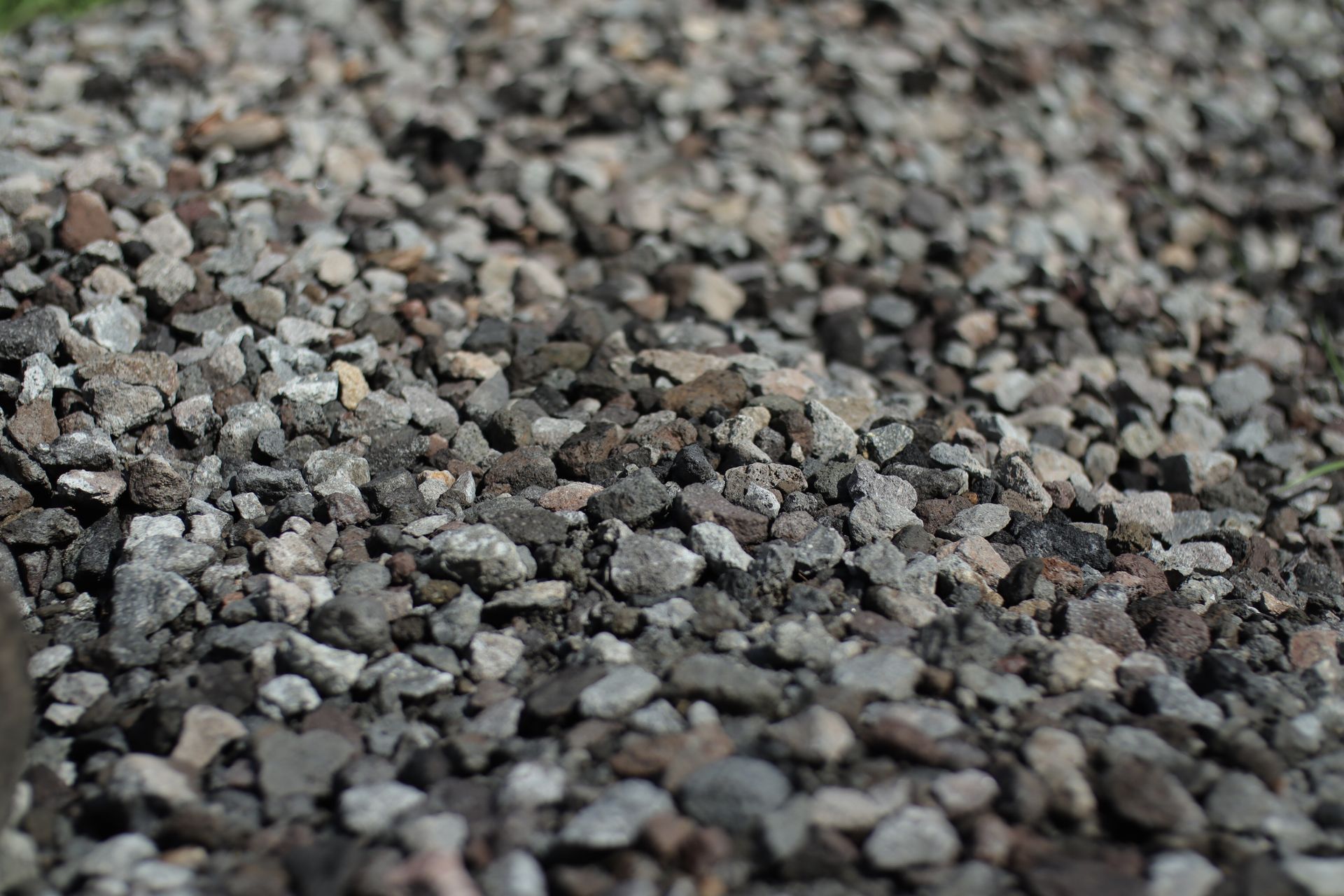
Base Material That Drains and Compacts
Specialty aggregate and crushed stone for structural and drainage applications in Kennewick, Washington.
When you pour a driveway or build a retaining wall, the layers underneath determine whether the surface stays level or cracks within a year. Crushed stone and specialty aggregate create a stable base that compacts under weight and allows water to move through instead of pooling beneath pavement or footings. Contractors working in Kennewick rely on these materials for everything from road widening to commercial pad preparation, and the sizing needs to match the load requirements and soil conditions at the site.
Bedrock Specialty Stone Products supplies crushed stone and aggregate in sizes suited for base layers, drainage zones, and construction support. Materials are delivered by dump truck to job sites throughout Kennewick and the surrounding area, and sourcing stays consistent so you get the same grading and compaction characteristics from one load to the next. You specify the quantity based on the area you need to cover and the depth called for in the project specs.
Contact the yard for availability and load options in Kennewick.
How the Material Behaves Under Load
Crushed stone has angular edges that interlock when you compact it with a plate tamper or roller, which creates a firm surface that resists shifting. In Kennewick, where temperature swings cause expansion and contraction in the ground, a well-compacted aggregate base keeps pavement from cracking and prevents footings from settling unevenly. Water moves through the voids between stones instead of saturating the soil below, which matters during spring runoff or when irrigation systems overwater adjacent areas.
After you spread and compact the material, you see a level surface that holds its shape under vehicle traffic or the weight of a poured slab. The base does not develop ruts or soft spots the way native soil does, and it supports construction activity across the Tri-Cities region where infrastructure and commercial development require stable ground preparation.
This material is designed for contractors managing large-scale projects, though residential customers use it for driveway extensions, shed pads, and drainage corrections. Delivery timing depends on your schedule and site access, and the yard coordinates with other trades if you need the material dropped before excavation or grading is complete.
What People Want to Know Before Ordering
Most questions about crushed stone and aggregate involve sizing, compaction depth, and whether the material can be delivered to sites with limited access or tight timelines.
Bedrock Specialty Stone Products maintains sourcing relationships that keep material quality and sizing consistent across deliveries, which matters when you are staging a multi-phase project or matching existing base layers. You can call the yard to confirm availability, discuss load options, and coordinate delivery timing with your site preparation schedule in Kennewick.